
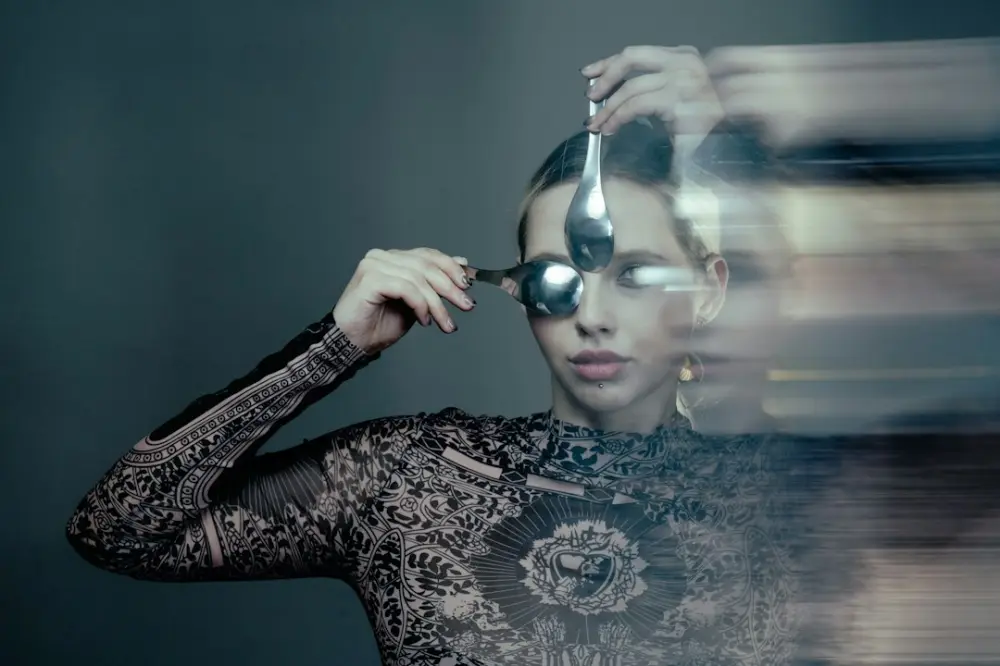
Finding your voice in a world dominated by fast-paced trends and algorithmic suggestions can feel like a daunting task. However, personal style offers a unique avenue for self-discovery, allowing you to project your inner narrative through the clothes you wear every day.
True individuality isn't about owning the most expensive items or following every runway show; it's about the deliberate choices that make your wardrobe a reflection of your personality. By embracing a more intentional approach to fashion, you can transform your daily routine into a meaningful act of creative expression.
Everyday Individuality through Style: A Guide
Everyday individuality through style is the intentional practice of using clothing to express your unique personality, values, and creativity. Unlike following fleeting trends, it focuses on authentic self-expression. By curating a wardrobe that reflects who you are, you transform daily dressing into a powerful tool for confidence and personal storytelling.
This approach requires a shift from reactive buying to proactive curation. Instead of scrolling through fast-fashion apps for the latest "core" aesthetic, you look at your existing closet to see what pieces actually make you feel like yourself. It’s a process of trial, error, and refinement that results in a wardrobe that serves your life and your spirit.
Personal Style vs. Fashion Trends
The fashion industry operates on a cycle of planned obsolescence, introducing new silhouettes and color palettes every few weeks to encourage constant consumption. Fashion trends are external; they are dictated by designers, influencers, and algorithms. Personal style, however, is an internal compass. It is the filter through which you view those external trends, choosing only what aligns with your existing identity.
For example, while a specific shade of "electric lime" might be the trend of the season, a person with a grounded personal style might ignore it entirely if their palette consists of earth tones and deep indigos. Understanding this difference prevents the "closet full of clothes but nothing to wear" syndrome. When you buy for a trend, you are buying a costume for someone else’s vision. When you buy for style, you are buying a component for your own narrative.
In 2026, the speed of these cycles has only increased, making it even more vital to anchor your choices in something permanent. Think of fashion as the weather—constantly changing and often unpredictable—while your personal style is the architecture of the house you live in. You might change the decorations, but the foundation remains consistent.
Finding Your Signature Look Outside the Trend Cycle
Developing a signature look doesn't mean wearing a uniform, though it can. It means identifying the elements that make you feel most "you." To start, look at the items you reach for when you aren't trying to impress anyone. Often, these pieces reveal your true preferences in fabric weight, fit, and functionality. There are 10 simple ways to define your own aesthetic without relying on what is currently on the mannequin.
One practical exercise is the "Three-Word Method." Try to describe your ideal style in three specific adjectives—for example, "utilitarian, architectural, and moody" or "vintage, whimsical, and structured." Once you have these words, use them as a gatekeeper for new purchases. If a garment doesn't fit at least two of those descriptions, it likely won't contribute to your individuality in a meaningful way.
Consider a professional who chooses to wear heavy-soled combat boots with tailored trousers. This choice breaks the traditional corporate mold and signals a preference for practicality and edge. By consistently integrating these non-traditional elements, they build a signature that people recognize as uniquely theirs, regardless of what is currently appearing on social media feeds.
Curating a Sustainable, Personality-First Capsule Wardrobe
The traditional capsule wardrobe often focuses on a sea of beige, navy, and black. While these neutrals are functional, they can sometimes feel anonymous. A personality-first capsule wardrobe uses the same logic of versatility but applies it to pieces that actually reflect your character. It’s about how fashion and lifestyle reflect your identity through long-term choices rather than impulsive buys.
To build this, start with your "hero" pieces. These are the garments that carry the most emotional or aesthetic weight for you. It might be a hand-painted leather jacket, a pair of perfectly broken-in selvedge denim jeans, or a silk scarf passed down through your family. Build the rest of your wardrobe to support these items. If your hero piece is a vibrant, patterned coat, your basics should be high-quality, understated items that allow that coat to stand out.
Sustainability in this context isn't just about organic cotton; it's about emotional durability. A garment you love and wear for a decade is far more sustainable than an eco-certified shirt you discard after three months because it doesn't fit your style. Focus on natural fibers like linen, wool, and hemp, which age gracefully and develop character over time, much like your personal style itself.
DIY Fashion: Customizing and Upcycling for a Unique Fit
Nothing says individuality like a garment that literally no one else owns. DIY fashion doesn't require a professional studio; it can be as simple as changing the buttons on a mass-produced blazer to vintage brass or horn versions found at a local thrift store. These small modifications break the "off-the-rack" look and add a layer of personal history to your clothing.
Upcycling is another powerful tool for self-expression. If you have a pair of trousers that fit perfectly but have a stain on the knee, consider visible mending. Using a contrasting thread or a patch of interesting fabric to repair the hole turns a flaw into a design feature. This practice, often inspired by the Japanese concept of sashiko, celebrates the life of the garment and the hand of the wearer.
For those looking to go further, fabric dyeing can completely transform a piece. A faded black hoodie can be brought back to life with a deep forest green dye, or a white button-down can be given a soft, lived-in look with a tea-stain bath. These actions take you from being a passive consumer to an active creator of your own visual identity.
Creative Styling: Breaking Fashion Rules with Confidence
Individuality often thrives in the space where "rules" are ignored. The old dictates about not mixing gold and silver jewelry, or never wearing navy with black, are largely irrelevant in a modern context. Creative styling is about experimentation. Try pairing unexpected textures—like a chunky wool sweater over a delicate slip dress—to create visual tension.
The "Wrong Shoe Theory" is a popular example of this. It suggests that the most interesting way to finish an outfit is to choose the shoe that seemingly fits the least. If you’re wearing a feminine, floral dress, try a rugged hiking boot instead of a sandal. This intentional mismatch signals that you are in control of your look and aren't simply following a pre-written style script. It adds an element of surprise that is central to personal expression.
Confidence is the mechanical link that makes these creative choices work. When you wear something that feels like a true reflection of your internal state, you carry yourself differently. The goal is to move through the world in a way that feels unforced. If you feel uncomfortable in a "rule-breaking" outfit, it will show. But if that outfit helps you feel more like yourself, the perceived "clash" becomes a statement of intent.
Show Off Your Story Through Everyday Style Choices
Ultimately, the way you dress is a form of communication that precedes any conversation. By prioritizing individuality over mass-market trends, you reclaim the narrative of your own image. This isn't about vanity; it's about the agency to decide how you are perceived and how you occupy space in the world. Whether you are dressing for a high-stakes meeting or a quiet weekend morning, every choice is an opportunity to reinforce your sense of self.
At Show Off, we believe that style is a tool for liberation. It’s about the joy of finding a garment that feels like a second skin and the satisfaction of knowing your wardrobe was built with intention. By focusing on everyday individuality, you move away from the noise of the industry and toward a more quiet, confident form of self-assurance. Your style is a living project, one that evolves as you do, and there is no better time than now to start showing the world exactly who you are through the pieces you choose to wear.